Those White Spots on Your Car Aren't Dirt — Here's What Water Spots Really Are (and How to Stop Them)
You just washed your car and it already looks spotty. Water spots are one of the most common — and most misunderstood — car care frustrations. Here's what's really happening and how to prevent it for good.
By Samuel SabaterUpdated 2 min read
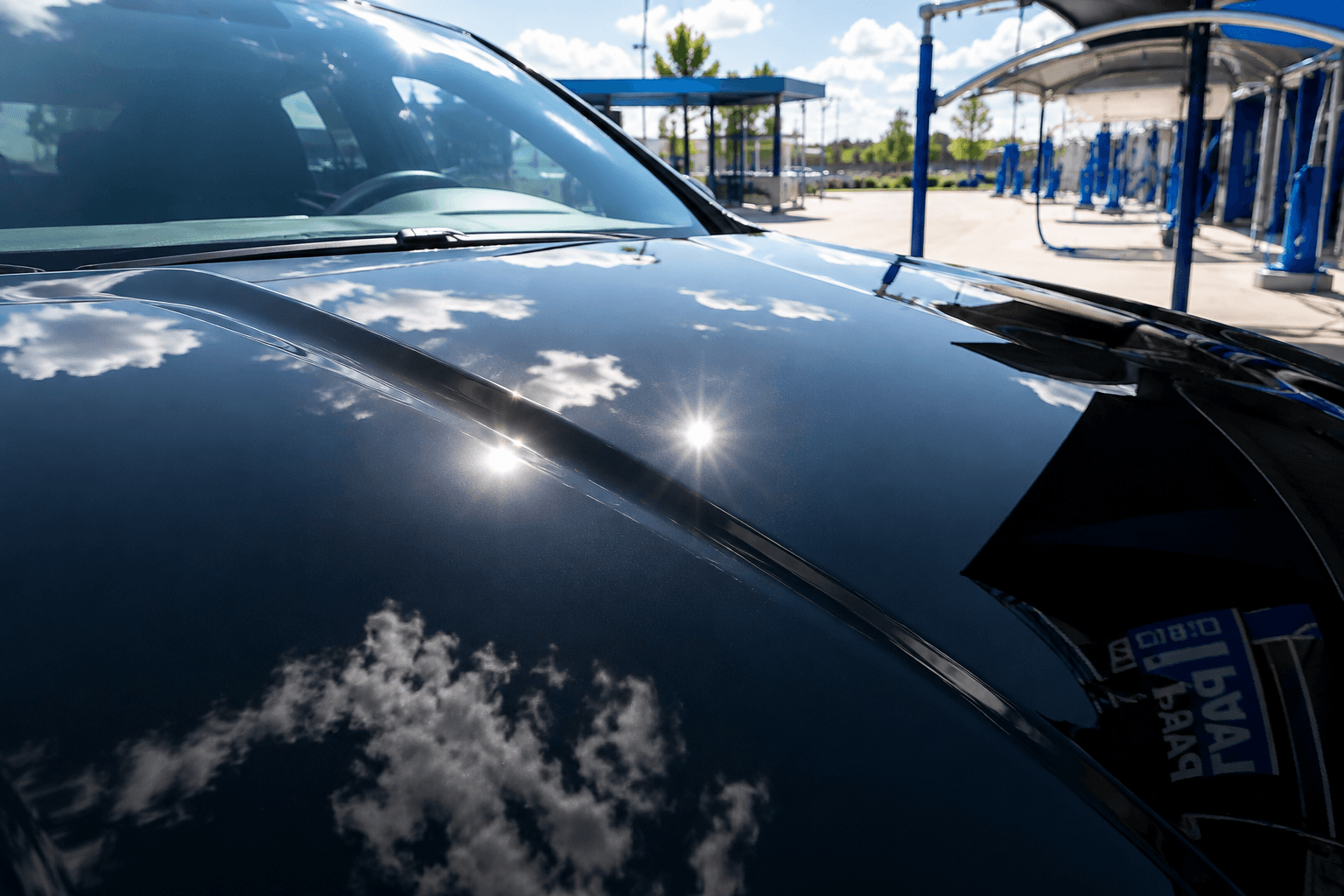
You rinse off your car, step back to admire the shine, and by the time it dries, there are cloudy white spots all over the hood and windows. It's one of the most common car wash complaints out there — and the good news is, it's completely preventable once you understand what's actually causing it.
What Water Spots Actually Are
Water spots aren't dirt at all. They're mineral deposits — mostly calcium and magnesium — left behind after water evaporates. Tap water, hose water, and even some wash water contain dissolved minerals. When water sits on a hot surface and evaporates quickly, those minerals don't rinse away with it — they get left behind, bonded to your paint or glass.
This is exactly why water spots show up more in Houston summers: high heat means faster evaporation, which means less time for water to drain off before it dries in place.
Why They're More Than a Cosmetic Issue
Left alone, water spots aren't just an eyesore. Over time, mineral deposits can etch into your clear coat, especially with repeated exposure. What starts as a spot you could wipe away with a microfiber towel can eventually become permanent etching that only paint correction can fix.
How to Remove Water Spots You Already Have
For light, fresh spots:
Rinse the area with distilled or filtered water to loosen the deposits.
Use a designated water spot remover or a diluted white vinegar solution, applied gently.
Wipe with a clean microfiber towel — never a dry cloth, which can drag minerals across the paint like sandpaper.
For deeper, set-in spots, a professional clay bar treatment or light paint correction is usually needed — this is where DIY products often fall short.
How to Prevent Them Going Forward
Dry your car immediately after washing — don't let it air dry, especially in direct sun.
Use a microfiber drying towel or a blower, working section by section rather than letting water pool.
Wash in shade or during cooler parts of the day when possible.
Use a spot-free rinse system, which filters out the minerals before the water ever touches your paint.
How The Launch Pad Helps You Avoid This Entirely
Every wash at The Launch Pad — both self-service and Express Detail — includes access to a spot-free rinse system, so minerals are filtered out before they ever have a chance to dry on your paint. And with Express Detail, our team hand-dries your car properly with microfiber towels, so you drive away spot-free, not just clean.
If you're already dealing with stubborn spots, our detailing team can assess whether a treatment or light correction is the right move.
Stop guessing with the garden hose — get a spot-free finish every time at 10410 S Main St, Houston, open 24/7.
More from the blog
All posts
Fall Leaves on Your Car? Why You Should Wash Them Off Quickly
Fall leaves can trap moisture, leave stains, and affect your vehicle's finish. Discover simple fall car care tips to protect your paint and learn how regular washing at The Launch Pad Car Wash in Houston can help.
Why Fall Is the Perfect Time to Give Your Car a Deep Clean
Falling leaves, dust, moisture, and changing weather can take a toll on your vehicle. A thorough fall car wash helps protect your finish and gets your car ready for the cooler months ahead.

Can Regular Car Washing Actually Increase Your Resale Value?
Thinking about selling or trading in your car down the road? Here's how consistent washing and detailing can directly impact what buyers are willing to pay.